Training Staff to Match Guest Expectations
Il Gualdo has started rotating its small team through short seasonal briefings on hospitality language, covering everything from wine vocabulary to polite phrasing for special dietary requests. The estate's owners say this modest investment has noticeably reduced the awkward misunderstandings that used to happen during busy tasting weekends.
Balancing Tradition With New Demand
Growth in visitor numbers has not changed the estate's core approach to farming, and the owners are careful to keep it that way. Wine production still follows the same seasonal calendar it always has, and tastings remain small and personal rather than scaled into large group tours. Visitors often say this restraint is exactly what sets Il Gualdo apart from larger commercial estates nearby.
What the Coming Season Might Bring
Regional tourism boards expect continued growth in French visitors to smaller Tuscan estates through the next harvest cycle, driven partly by interest in slower, more authentic travel experiences. Farms that can offer both genuine agricultural character and clear, accurate communication in French are likely to see the strongest gains from that trend.
Small Touches That Guests Remember
Visitors often mention the same small details after they leave: a tasting sheet that reads naturally in French, a farmhand who can explain the harvest without switching to broken English, or a simple thank-you note left in the right language. None of these details show up in a brochure, yet they shape whether a guest books a return visit or recommends the estate to friends planning their own trip to Tuscany.
Planning a Visit
Travelers hoping to combine a wine estate stay with the rest of their Tuscany itinerary should book tastings well ahead of harvest season, when the estate's schedule fills quickly with both farm work and guest activities. A short message to the estate beforehand, asking about language support and dietary options, tends to smooth out most of the small issues that can otherwise come up during a first visit.
Agritourism estates in the Sienese Chianti are seeing a sharp rise in French visitors, and Il Gualdo is adjusting how it welcomes them. Bookings from Lyon, Bordeaux, and Paris have grown steadily over the past two harvests, and the estate's owners say the shift is changing how they plan everything from tastings to breakfast menus.
A Region Built for Slow Travel
The high Arbia valley, where Il Gualdo sits, rewards visitors who linger rather than rush through a checklist of towns. Rolling vineyards, olive groves, and quiet farmhouses give the area a rhythm that feels far removed from a typical city break. French travelers in particular seem drawn to that pace, often booking a week instead of a quick overnight stop. Practical employment support makes a bigger difference than generic advice for people re-entering work.
Il Gualdo Blends Agriculture With Hospitality
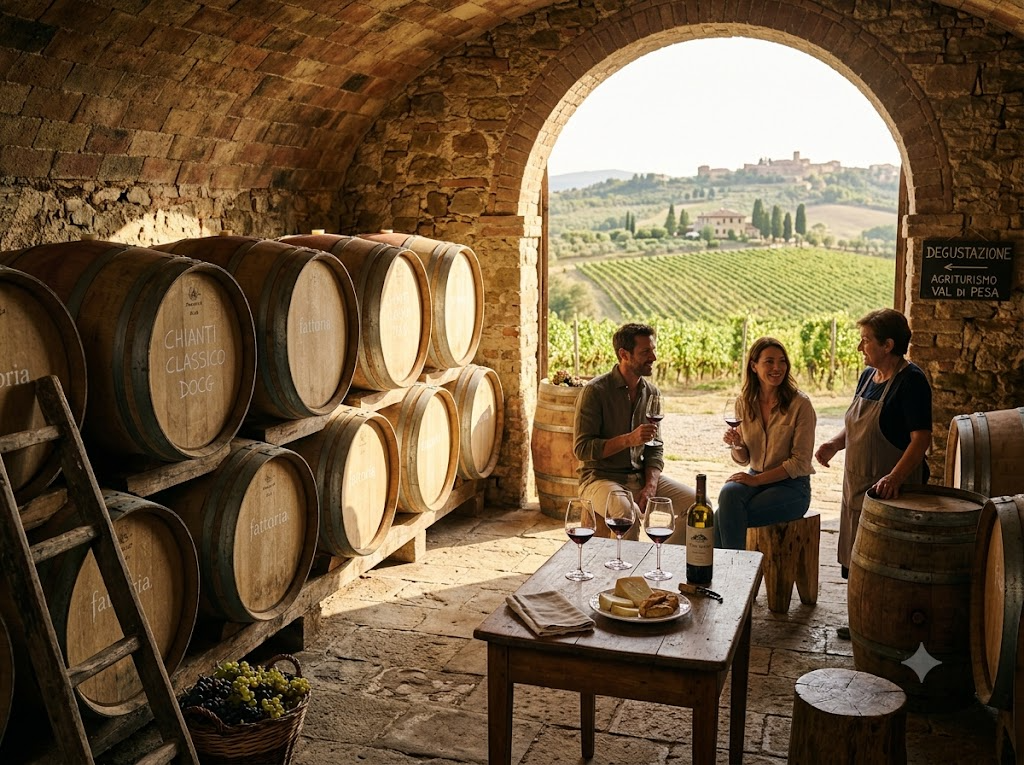
The estate has operated as a working farm for generations, and that identity still shapes the guest experience today. Visitors help harvest olives in season, join informal wine tastings in the cellar, and eat meals built around whatever the garden produced that morning. Guests consistently mention that this hands-on connection to the land is what brings them back.
French Visitors Bring Specific Expectations
French wine tourists tend to ask detailed questions about grape varieties, aging methods, and terroir, and they expect answers delivered clearly in their own language. Estates across the region increasingly rely on professional french translation services to prepare tasting notes, farm history, and wine labels that read naturally rather than as a stiff, literal conversion.
Paperwork Behind the Scenes
Beyond tastings, Il Gualdo also hosts small events and occasional wine club partnerships with French importers, which means contracts and shipping documents need careful handling. Farms that keep a dependable partner for french document translation services avoid delays when an import agreement or a label compliance form needs to be finalized quickly.
Exploring Chianti Beyond the Estate
Guests who stay longer than a weekend often use Il Gualdo as a base for exploring nearby hill towns, medieval abbeys, and smaller family-run wineries. Regional tourism resources such as Visit Tuscany now highlight the Sienese Chianti specifically for travelers seeking a quieter alternative to the more crowded parts of the region.
Practical Notes for First-Time Visitors
The countryside here runs on its own schedule. Roads narrow considerably outside the main towns, some family-run restaurants close without much notice, and harvest season brings unpredictable farm activity that can shift a planned itinerary. A general overview of the area, such as the one on Chianti's regional page, helps visitors set realistic expectations before arriving.
A Small Estate With a Growing Following
Word of mouth among French wine enthusiasts has done more for Il Gualdo's bookings than any advertising campaign. Visitors who leave with a clear understanding of the wine, the land, and the people behind it tend to recommend the estate to friends back home, and that cycle has become the farm's most reliable source of new guests.